
You Were Never Meant to Just Survive. Here's How You Rise. I remember when I was going through a divorce years ago and scoured the web looking for something — anything — that could help me make sense of the grief, identity loss, and complete overwhelm that comes when the life you planned falls apart. I didn't find much. So I did what I've always done when I can't find what I need. I built it myself. I started piecing together a process — pulling from therapy, movement, music, community, and a lot of quiet moments sitting with feelings I didn't have names for yet. It wasn't pretty. It wasn't linear. But it worked. And as I was going through it, I made myself a promise: I would never let anyone go through something like that without a resource that could help them not just process the pain, but find purpose in it. That promise didn't leave me. It followed me through the years that came after. Through building a business. Through losing six people I loved in a single year. Through a mental health crisis that brought me to my knees — and a journey back to joy that changed everything about how I now show up in the world and in this work. Every hard season added something to the process. Every breakthrough refined it. Over the years, I've written books, given talks, and coached others using this method. But this is the first time I'm putting it into a formal system — one that works just as well for individuals navigating their own hard seasons as it does for organizations trying to figure out why their people are still struggling despite every wellness program they've invested in. Because here's what I've learned after years of doing this work — including my own: The problem was never a lack of effort. It was a lack of process. Why this? Why now? 75% of U.S. workers experienced a mental health challenge in the past year. And most organizations are responding with apps, benefits packages, and lunch-and-learns that check a box but don't change much. Because having wellness benefits and having a wellness culture are two completely different things. What people and organizations actually need is what I needed all those years ago, sitting with grief I didn't know how to carry. A real process. A holistic one. Something that meets you where you are — body, mind, and spirit — and actually moves you through it. That's what The Soul Therapy RISE Method™ is. Listen to the Soul Therapy Podcast for a deeper dive and see below for the infographic.

Why Self-Talk Matters More Than You Think My niece, Olivia (Livy), had never run track before. It was her freshman year in high school. She was 14, nervous, and brand new to the sport when her coach entered her in the 500-meter dash—an event that requires a certain level of endurance and strategy. She started off well, but in the last 100 meters, her legs gave out. Her body folded. She collapsed in front of everybody. She wanted to quit—right there on the track. But her parents didn’t let her. They didn’t yell. They didn’t shame her. They simply stood by her side and reminded her: you don’t have to be perfect. You just have to finish. And that moment became a turning point. When I interviewed her for this article, she admitted, “I didn’t want to do the 500 again, but I did. And I actually won my heat the next time!” More importantly, she learned the power of perseverance—and of shifting her mindset. When her teammates doubted her after that race, calling her slow and dismissing her potential, she could’ve internalized those words. Instead, she used them as fuel. She tuned out distractions, blocked out drama, and got focused. She discovered field events—long jump, triple jump, and eventually high jump. And as she put in the work, she began reaping the rewards. By the end of her freshman year, Livy had: Broken the freshman record at her school for high jump, long jump, and triple jump. Been ranked #2 all-time in the 300m at her school. Won the National New Balance Championship for the high jump at 5’5¼”—setting her school’s all-time record in girls’ track and field. In her sophomore year, she: Won third place in the Maryland State Championships for high jump. Earned a #1 ranking in Maryland for indoor track and top 50 nationwide in high jump. Was featured in the local newspaper for her achievements. When I asked what kept her going, she said plainly: “My parents not letting me quit when it got hard. That’s what made the difference.” And as her mindset grew, so did her confidence. “At first, people talked about me. Said I was slow. Now, I’m the fastest girl on the team.” Her definition of mental toughness? “Doing what you need to do, even when you don’t feel like it—and staying focused on how you want it to turn out.” Her mantra? “The storm will pass. Don’t give up because God won’t give up on you.” The Way We Talk to Ourselves Shapes Everything Our internal dialogue doesn’t just influence our mood—it determines how we handle setbacks, how we move through pressure, and how we treat ourselves when we’re not at our best. When your inner voice is hypercritical and negative, it becomes a barrier between you and your potential. But when it’s grounded in grace, compassion, and curiosity, it can become a lifeline. There’s a common misconception that being kind to ourselves means letting ourselves off the hook. But true compassion isn’t about avoiding accountability—it’s the courage to sit with hard things without letting them take over. It’s important to understand that failure is not a reflection of your worth. Failure is an event—not an identity. And as Adrienne M. Somerville says, “Failure is a data point for you to course correct.” When you learn to see failure that way, everything changes. Some of the most powerful growth comes not from getting it right, but from getting it wrong—and deciding to keep going anyway. So instead of saying I failed, try saying: “That didn’t go the way I hoped—but I’m not done.” “What can I learn from this?” “Where is there room for growth?” These shifts in self-talk make more of a difference than we realize. They create room for self-trust to grow—and with that trust, resilience becomes your default, not an afterthought. The companies that understand the power of mindset and emotional safety tend to outperform their peers. Google, for example, has built a culture where “fast failure” isn’t just accepted—it’s expected. Through their research initiative, Project Aristotle , they found that the most effective teams weren’t the ones with the most talent or experience. They were the ones where people felt safe. Safe to speak up, take risks, and fail without fear. That kind of safety fuels innovation, creativity, and connection. What Leaders and Mentors Can Do If you’re in a position of leadership, you’re also shaping the inner voices of the people around you—whether you realize it or not. When you see someone on your team struggling, pause before jumping into performance mode. Instead, consider asking: “How can I support you in this moment? What feels heavy right now? What do you need to feel steady again?” Show your team what it means to value progress over perfection. Honor the courage it takes to keep showing up, even when the outcome isn’t certain. And when they stumble, remind them: this isn’t failure—it’s proof that they’re learning and growing. The best leaders don’t just point to the finish line. They walk people through the doubts and the detours—and help them tap into the voice inside that says, Keep going. You’ve got this. Watching my niece, Livy, rise after that fall didn’t just make me proud—it inspired me. She could’ve let that moment define her. But instead, she let it shape her into someone stronger and more sure of who she’s becoming. She learned to replace “I want to quit” with “I’m growing through this.” No matter your age, title, or track in life, the way you talk to yourself matters. Whether you're leading a team, taking a leap, or simply trying to stay afloat in a tough season, your words create your reality. So if you’ve stumbled lately…you haven’t failed. You’re learning. And your comeback? It doesn’t start with more pressure. It starts with a new story. The one you choose to tell yourself. - -- If you're looking to build a workplace where your team feels grounded, supported, and equipped to grow— Soul Therapy Media delivers. We help organizations bring more soul and joy into how they show up—internally and externally through intentional branding, inspired events, and corporate wellness experiences that energize teams and build cultures people love to be a part of. Reach out: connect@soultherapymedia.com
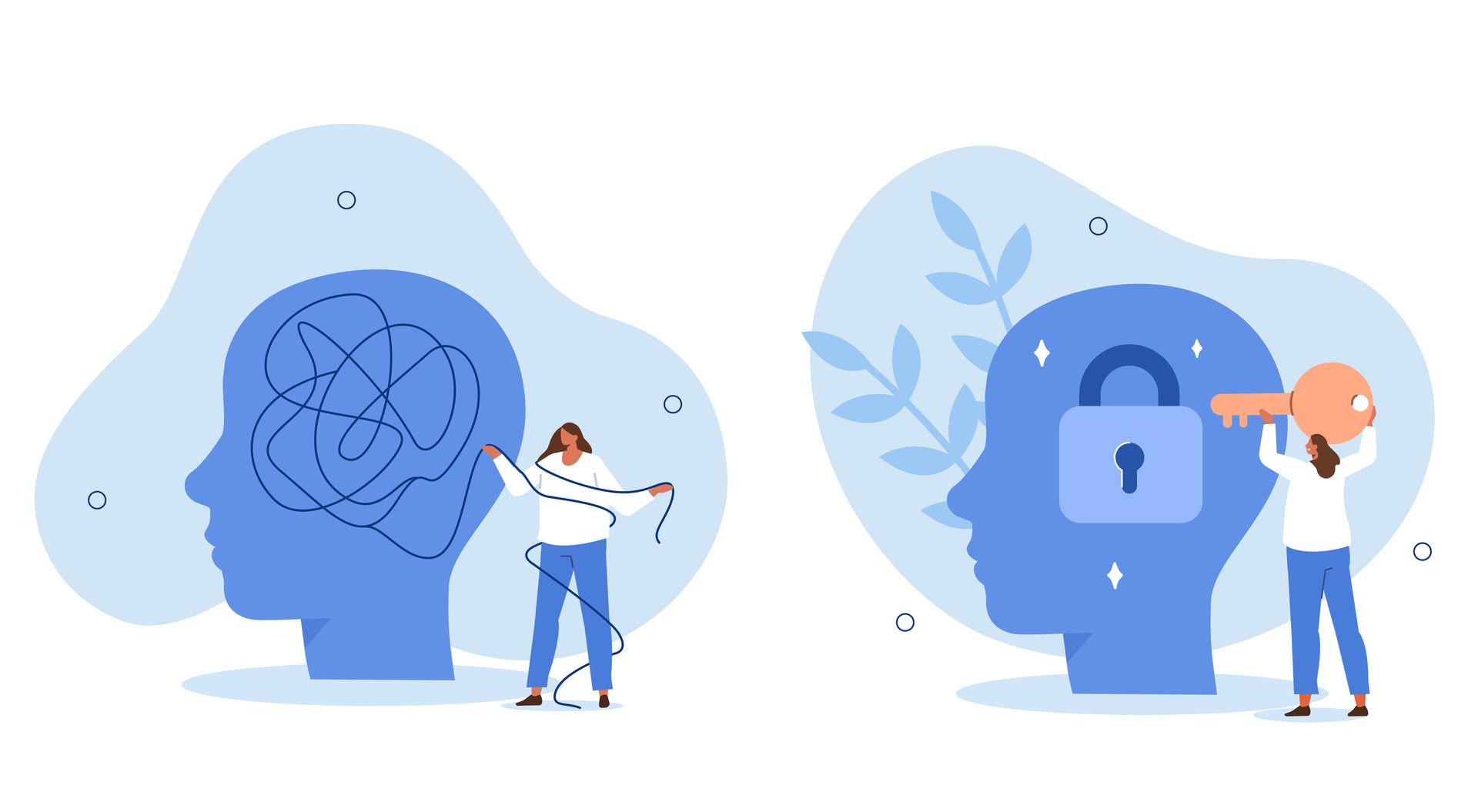
Have you ever watched someone navigate life with ease, staying calm and grounded no matter what comes their way? Or wondered why, despite all your hard work, you can’t seem to break through the obstacles holding you back? Maybe you’ve noticed someone who seems less qualified or experienced than you getting all the right opportunities, while you feel stuck, unable to make progress toward your own goals. The answer might be simpler than you think: it’s about understanding and claiming your power. From observing others on their mental health journeys, it’s clear that those who tap into their inner strength are the ones who make progress. On the other hand, many people who feel stuck or overwhelmed often don’t realize they’ve given away their power—putting their mental health at risk in the process. Here are 5 ways people are sacrificing their mental health—and how you can start reclaiming your power today: 1. Not Saying "NO" How often does someone ask you to take on something you really don’t want to do, but you say yes just to keep the peace? Probably more often than you'd like to admit. It might seem like a small thing in the moment, but over time, every "yes" that goes against what you really want chips away at your energy, your time, and your well-being. Saying "no" isn’t about being rude or difficult. It’s about protecting your peace and giving yourself the space to focus on what actually matters to you. You don’t have to over-explain. A simple: “I’d love to help, but I’m at capacity right now and can’t take this on.” “Thanks for thinking of me, but I need to pass this time so I can prioritize my other commitments.” Saying “no” when you need to is one of the most powerful things you can do for your mental health—and you don’t owe anyone guilt in return. 2. Not Asking for Help So often, many of us push through challenges on our own, even when it feels overwhelming, just because we’re afraid to ask for help. Maybe you’re worried it will make you look like you can’t handle it (whatever “it” is), or you don’t want to bother anyone. But here’s the truth: asking for help isn’t weak. It’s smart. And people are often just waiting for you to ask. None of us are meant to do everything alone. And trying to be everything to everyone only leads to burnout, frustration, and silence when what you really need is support. Next time you’re struggling, try saying something like: “Hey, I’m feeling a bit stretched right now—would you be able to help me think through this?” “I could really use some support on this. Can we talk through how to make it more manageable?” Reaching out doesn’t make you any less capable. It shows you value your well-being—and that you’re willing to take care of yourself, not just everyone else. 3. Not Setting Boundaries How often do people—at work or in your personal life—ask for your time, energy, or attention when you barely have any left to give? It might seem easier to just say yes and keep going, but without boundaries, you end up feeling overwhelmed, drained, and even resentful. Boundaries aren’t about shutting people out. They’re about protecting your energy and giving yourself permission to say, “I matter too.” Try saying something like: “I’m not available for that right now, but I hope it goes well.” “I’d love to help, but I need to protect some downtime for myself this week.” Setting boundaries helps others understand what you need—and it reminds you that your mental well-being is worth protecting. 4. Not Demanding Respect Respect isn’t optional—it’s essential for your mental health. If you don’t make it clear from the start how you expect to be treated, people might cross lines without even realizing it. Over time, that can leave you feeling invisible, frustrated, or even questioning your worth. Standing up for yourself doesn’t mean starting a fight. It just means being clear and firm about what’s okay and what’s not. Try saying something like: “I'm not comfortable with how that was said—let’s try a different tone moving forward.” “I want to have this conversation, but I need it to be respectful or we’ll have to pause it.” You teach people how to treat you by what you allow, what you stop, and what you reinforce. Respect starts with you. 5. Not Asking for What You’re Worth It’s all too common—people give their time, energy, or talent without ever asking for what they really deserve. Whether it’s at work, in relationships, or even in everyday situations, they stay quiet out of fear of rejection or because they’ve convinced themselves it’s “not a big deal.” But here’s the truth: when you don’t ask for what you’re worth, you often end up feeling overlooked, underappreciated, and frustrated. Speaking up for yourself doesn’t have to be complicated. You could say: “I’ve taken on a lot of responsibility, and I’d like to talk about adjusting my rate to reflect the value I’m bringing.” “I want to keep supporting you, but I need to make sure my time and energy are being respected, too.” You’re not asking for too much—you’re just asking for what’s fair. Knowing your worth is powerful. Saying it out loud? Even more so. The truth is, we often get in our own way without even realizing it. Fear, doubt, and insecurity can keep us from stepping into our full potential. But when you start to trust yourself and believe in your own power, everything changes. Mental health starts with how we treat ourselves. The power to make that change is already inside you. By setting boundaries, asking for help, and standing up for what you deserve, you’re taking control of your life. This is your moment to shift the balance and create the space you need for peace, growth, and true well-being. The change starts with you. You got this. What’s one small step you could take today to start reclaiming your power and improving your mental health? Are your team members feeling burnt out or disconnected from purpose? At Soul Therapy Media, we help organizations bring more joy and soul into how they show up – internally and externally. We do this through intentional branding, inspired events, and corporate wellness experiences that energize teams and build cultures people love to be a part of. Let’s connect: connect@soultherapymedia.com .
There are seasons when life doesn’t just challenge you—it completely unravels you. And what you do in that unraveling can either break you down—or break you open. Over the past few years, I experienced a level of loss and transformation I wouldn’t wish on anyone—and yet, it brought me to some of the deepest healing I’ve ever known. And planted the seed for what is now Soul Therapy Media . What started as grief, became purpose. What began in silence, is now being shared to help others feel less alone. That’s why I’m so honored to announce the launch of the new Soul Therapy Podcast —where we talk about healing, transformation, culture, creativity, wellness, and what it really takes to evolve in a world that demands we stay the same. We’re kicking off in honor of Mental Health Awareness Month with two episodes that go there. Episode 1: Are You Stuck or Just Evolving? If you've been feeling like something in your life no longer fits—your work, your brand, your relationships—you’re not alone. You’re not stuck. You’re evolving. This episode is a reminder that outgrowing who you were is part of becoming who you’re meant to be. Episode 2: 1 Year. 6 Funerals. Endless Tears. In this deeply personal episode, I open up about the year grief nearly took me under—and the therapy, spiritual grounding, movement, and mindset shifts that helped me find joy again. If you’re navigating loss or walking with invisible pain, this one's for you. Why this matters in our workplaces: 76% of U.S. workers report at least one symptom of a mental health condition. Black professionals are more likely to face mental health challenges in the workplace but are less likely to use available resources due to lack of trust in cultural relevance. And leaders? We're often the ones holding space for everyone else—while hiding our own silent struggles. That’s why Soul Therapy is more than just another a podcast. It’s a call to do the work of healing—to prioritize joy and mental wellness. To show up whole—not just for ourselves, but for our tribe, our organizations, and our communities. I look forward to sharing more insights, stories, and tools to support your journey. Tune in every week for a new episode! Let me know your thoughts: What tools have helped you move through seasons of deep change? Available now on Apple, Spotify or your favorite podcast platform. Interested in bringing Soul Therapy Media to your organization, leadership retreat or team? We offer workshops, wellness strategy, and keynotes that help leaders build brands, cultures, and lives rooted in purpose and wellbeing. Let’s connect@soultherapymedia.com

2025 is doing the most. The world feels like it’s spinning faster, and not always in the right direction. Between relentless news cycles, rising workplace burnout, and the emotional toll of global uncertainty, it's no wonder so many people are feeling stretched thin. In times like these, joy can feel like a distant concept. But the thing is, joy is a necessity—especially now. It's the light that cuts through darkness and helps you find peace amidst chaos. Joy doesn't ignore the hard stuff; it coexists with it. So, whether you're leading a team through uncertain times, navigating personal challenges, or simply trying to make it through the day, here are 31 simple ways to invite joy into your life. Sometimes the small, intentional acts are the very thing that can help you reconnect with yourself and the world around you: Smile — even if it's just to yourself. Hug a loved one — and see who can hold on the longest. Call someone you care about — just because. Dance like no one's watching — and don't worry if they are. Sing along to your favorite song — loudly and proudly. Forgive someone — including yourself. Send a handwritten note — it means more than you think. Practice daily gratitude — list three things you're thankful for. Take a walk in nature — and soak in your surroundings. Be silly — let your inner child play. Sit in stillness — even just for five minutes. Reflect on lessons learned — growth often comes from challenges. Build something — a puzzle, a model, or even a sandwich. Help someone achieve a goal — their success can be your joy. Create art — no talent required. Plant something — watching it grow is rewarding. Reconnect with an old friend — reignite that bond. Declutter a space — a tidy area can bring peace. Limit news consumption — protect your mental space. Pursue a passion project — even if it's just for fun. Express love — say "I love you" more often. Thank your parents or guardians — acknowledge their role in your life. Mentor someone — share your knowledge and experience. Watch a sunrise or sunset — nature's daily masterpiece. Pray or meditate — connect with something greater. Release the need for approval — trust your path. Try something new — break the routine. Let go of control — embrace the flow of life. Laugh…hard — it's healing. Express gratitude to a higher power — there’s always something to be grateful for. Celebrate small wins — every step forward counts. Remember, joy isn't always about grand gestures; more often than not, it's about finding light in the little things. By finding ways to sprinkle these simple practices into your daily routine, you can push through to the other side of hard things with renewed energy and a deeper sense of purpose. Wishing you joy on the journey… What small act of joy would you add to this list? Share in the comments. Thanks for reading! At Soul Therapy Media , we help organizations bring more joy and soul into how they show up—internally and externally. We do this through intentional branding, inspired events, and corporate wellness experiences that energize teams and build cultures people love to be a part of. If you’re looking for ways to support your team’s growth and well-being, let’s connect: connect@soultherapymedia.com

In the next post, Perks Won’t Fix It: The Real Reason Your Team Is Disengaged (and What to Do About It) , we talk about how organizations can become true spaces of transformation when they help people connect with a deeper sense of meaning at work. But let’s take a step back. Because purpose doesn’t start with a company mission statement or a wellness retreat. It starts with you. In this follow-up, we’re turning inward—to the personal journey of discovering why you’re here, what you were made to do, and why that question still matters…not just for your career, but for your clarity, your peace of mind, and your well-being. Have you ever asked yourself, “What in the world am I here for?” If so, you’re not alone. So many of us spend years—sometimes decades—living out someone else’s version of success. Following the rules. Checking the boxes. Doing what we thought we were supposed to do…only to realize one day that something just feels off. And then the questions hit: Is this really what I’m meant to be doing? Is there more than this? In a world that constantly feeds us highlight reels and comparison culture, it’s easy to second-guess the quiet passions and gifts we carry. But here’s what you need to remember: You weren’t created to copy someone else’s path. You have your own assignment, and it’s just as valuable as anyone else’s. Purpose isn’t just feel-good talk—it’s mental and emotional wellness. Here’s what the research says: A study published in the Journal of Affective Disorders found that: People with a strong sense of purpose experience significantly lower levels of depression and anxiety. And according to McKinsey: Employees who feel they’re living their purpose at work are 4x more engaged, 6x more resilient, and 5x more likely to stay long term. Purpose is grounding. It anchors you. It gives weight to the work you’re doing—especially when life starts "lifing". So how do you know you’re walking in your purpose? You’ll feel it—not in a perfect, polished way, but in the quiet alignment between what you love, what you’re good at, and how you’re showing up for others. People living in their purpose are usually: Using their natural gifts (even the ones they’ve been downplaying for years) Serving others in a way that feels like flow Finding joy and meaning in the doing—even when it gets tough And let’s be clear: living your purpose doesn’t mean everything gets easy. But it does mean you’re clear on why you’re doing it. Seven Signs You’re On the Right Path: You’re nervous—but in a good way. You care deeply, and that matters. It feels natural—but you still doubt it. You think, “This is too easy to count.” Trust me—it counts. People keep coming to you for it. And they’re right to. You’d do it for free— but you know your worth, so you ask for it. You can’t stop thinking about it. Even when you try to. You’re willing to push through the struggle. Because walking away doesn’t feel right. You’ve started seeing the impact. Whether in one person’s life or many—it’s real. Your purpose might show up differently in different seasons. You might express it through writing, teaching, designing, building, parenting, healing, mentoring—or all of the above. But the foundation won’t change. It’s about meaning. Alignment. Contribution. Legacy. At the end of the day, purpose isn’t a performance. It’s a calling. And it’s yours to answer, in your way, on your timeline, with your full, brilliant, imperfect self. So: What would change if you stopped waiting for clarity—and just started walking toward what lights you up? Thanks for reading! Share your thoughts in the comments. Let's talk about it. At Soul Therapy Media , we help organizations create environments where individuals can reconnect with purpose and align their gifts with meaningful work. If you’re exploring ways to support your team’s growth, resilience, and well-being through purpose-centered wellness programs, we’d love to support your vision. Let’s talk about how we can help: connect@soultherapymedia.com

There’s a quiet crisis unfolding in today’s workplaces. Yes, burnout is real. So is retention. And the pace of change? Exhausting. But beneath all that, there’s something deeper at play—a hunger for meaning. More and more, people are asking themselves, “What am I really doing here?” And when an organization can’t offer a response that feels honest, emotionally relevant, and rooted in something deeper than a bottom line, the consequences ripple wide. It’s not just talent walking out the door—it’s trust. It’s belief. It’s energy. As leaders, many of us were raised in systems that prize performance, productivity, and predictable outcomes. But the world has shifted—and so have people. Purpose is no longer a luxury. It’s infrastructure. It’s what holds culture together when uncertainty takes the wheel. It’s what fuels the kind of commitment that can’t be bought with perks or pizza. A 2022 Gallup study found that only 1 in 3 employees strongly agree that their organization’s mission makes them feel like their job truly matters. Let that land. Because purpose isn’t just about vision statements and strategic goals. It’s personal. It’s identity. It’s belonging. And that’s where the Japanese concept of Ikigai comes in—a powerful lens for how we find meaning in our work. Ikigai lives in the overlap between four simple but KEY questions: What do you love? What are you good at? What does the world need? What can you be paid for? When people begin to align their role with even one or two of these elements, something shifts. Work becomes more than a task list. It becomes a place to express who they are, serve something bigger, and feel seen. And when that energy shows up on a team, it’s fire . In fact, employees who feel connected to purpose are 4.6x more likely to be engaged —and far less likely to walk away when times get hard. So how do leaders create that kind of culture—especially when navigating tight budgets, heavy expectations, and a world that’s evolving at the speed of light? Here are three ways to begin: Make purpose part of the conversation. Purpose can’t live in a slide deck. Bring it into your meetings, your decision-making, your one-on-ones. Ask your team: Why does this matter? Who does it serve? Normalize those check-ins—not as fluff, but as fuel. Celebrate the invisible wins. Yes, KPIs matter. But so does the teammate who held space during a hard week. The one who challenged the status quo with care. The one who brought their full, creative self to a project. Recognize those moments. They shape culture just as much as metrics. Give your people room to explore their own “why.” Not everyone will find soul-stirring purpose in every task—but they can find meaning in how they show up. Create space for reflection. Try purpose-mapping sessions, journaling prompts, or collaborative storytelling. Let people find themselves in the work. A Harvard Business Review study found that 9 out of 10 employees would trade part of their salary for more meaningful work. That's 90% of employees! Whew... Clearly what people are really craving isn’t just comfort—it’s connection. And here’s the thing: purpose doesn’t require perfection. It just needs clarity. Clarity grounds people when everything else feels uncertain. It aligns teams. And it reminds your people—we’re building something worth believing in. So, if you’re wondering what your team really needs during this time, start here: What is the soul of your organization—and how are you actively nurturing it? And just as importantly: Are you creating space for your people to discover and live out their own sense of purpose? If you're ready to explore that question more deeply and need a thought partner to help translate your values into experiences, culture shifts, or strategic design, let's connect! connect@soultherapymedia.com #PurposeDrivenLeadership #OrganizationalWellness #HumanCenteredDesign #WorkplaceCulture #EmployeeWellbeing

You’ve invested in wellness perks, launched new programs, and said all the right things—so why does your team still feel tired, checked out, and disconnected? The uncomfortable truth? If your culture doesn’t support well-being at its core, no list of perks will solve the problem. This is no longer about checking boxes—this is about how people are experiencing your workplace every day. Only 23% of global employees are engaged at work, while 44% report feeling significant stress the previous day (Gallup, 2023) 92% of workers say mental health support is essential, yet just 43% believe their employer is doing enough (APA, 2023) Fewer than 1 in 3 organizations report that their wellness efforts improve performance or retention (McKinsey Health Institute, 2022) And according to workplace well-being expert Dr. Cathy Wang: “Leadership must recognize that employees’ mental health is not a side issue, but central to organizational success.” —EIN Presswire, 2023 These aren’t just numbers—they reflect a deeper truth: people are struggling, and they’re looking to leadership for more than lip service. What People Really Want at Work Most people aren’t asking for perfection. They’re asking for: Progress they can see and feel Recognition that’s meaningful Communication that’s clear, caring, and consistent Joy and creativity as part of the process—not just rewards for the outcome In short, they’re craving a workplace where they matter—not just their metrics. They want to belong without masking. To contribute without burning out. And to work in environments that are designed with humanity in mind. The truth is that you can’t separate well-being from how people work, communicate, and lead. And the data backs it up: Employees in high well-being workplaces are 3x more likely to be engaged and 29% more likely to stay long-term. —Gallup, 2022 These organizations also see higher trust, better performance, and more innovation. But many wellness programs miss the mark because they isolate wellness from daily life. They offer a workshop or app without changing the environment where people are expected to perform, produce, and show up. A truly holistic approach integrates wellness into the culture, communication, and core rhythms of the workplace. Here’s how that looks in practice: 1. Support Emotional and Mental Health Through Leadership and Culture Well-being starts at the top. If your leaders aren't equipped to recognize burnout, hold space for feedback, or model healthy boundaries, no wellness program will be sustainable. In Practice: Train managers in emotional intelligence and mindful leadership—so they can lead with compassion, recognize red flags early, and create psychologically safe teams. Research shows that emotionally intelligent leaders reduce employee stress and improve retention. —TalentSmart, 2023 2. Create Space for Rest, Reflection, and Reconnection People are not machines—they need time to reset, not just push through. In Practice: Build recovery and connection into your team’s calendar: Introduce “no meeting” zones for deep work and decompression Host monthly reflection circles or wellness sessions like sound baths or movement therapy Offer mini-retreats or mindfulness breaks as part of the employee experience—not an afterthought 3. Communicate With Empathy and Clarity Communication isn't just a skill—it’s a wellness tool. When messaging is inconsistent, cold, or transactional, it heightens stress. In Practice: Align your internal comms with your culture goals. That means: Messaging that reflects your values—not just directives Leaders who communicate with transparency and care, especially during change or crisis Encouraging feedback loops so employees feel heard—not just managed 4. Design Rituals and Experiences That Center Joy and Meaning Wellness is about creating spaces where people can thrive. Infusing joy, creativity, and celebration into the workplace isn't fluff—it’s fuel. In Practice: Incorporate team rituals that spark joy and build community, like: Employee-led dance breaks or movement classes Celebrations that recognize personal growth, not just KPIs Space for storytelling, art, and shared meaning in your programs or events Joy at work improves resilience and builds social bonds, which increase engagement and lower turnover. —Harvard Business Review, 2021 Bottom line: A holistic approach to well-being is not about doing more—it’s about doing what matters most, more intentionally. It’s about treating wellness not as a benefit—but as a core principle of your workplace culture. Let’s Rethink What’s Possible The future of work isn’t just about output—it’s about well-being. And it starts with how you communicate, design, and lead. What’s one small change you feel could make a big impact on your well-being at work? —————————————— ——————————————————————————————————————— ———————— At Soul Therapy Media , we help organizations build cultures and brands that energize, connect, and sustain. Whether it’s a leadership retreat, a wellness campaign, or an internal culture reset—we help you bring transformation to life. Contact us at connect@soultherapymedia.com to explore how we can help you lead with vision, communicate with purpose, and design a workplace that supports wellness.

When was the last time you truly celebrated your culture? Not just acknowledged it, but immersed yourself in it—the music, the food, the traditions, the stories? If you’ve ever felt a deep sense of joy in those moments, that’s not a coincidence. Research shows that embracing cultural identity is directly linked to mental and emotional well-being. In fact, a study published in The Journal of Happiness Studies found that individuals who actively engage in cultural traditions report higher levels of life satisfaction and lower stress levels. Another study from the American Psychological Association revealed that a strong sense of cultural identity can reduce symptoms of depression and anxiety by as much as 40%. "A strong sense of cultural identity can reduce symptoms of depression and anxiety by as much as 40%." Let that sink in—your culture isn’t just something to be proud of; it’s something that actively supports your wellness. The Joy Prescription You Didn’t Know You Needed We live in a time where wellness is often packaged as green smoothies, yoga retreats, and meditation apps. And while all of that has its place, wellness is also in the beats of your ancestors' music, the stories passed down through generations, and the flavors of a meal that tastes like home. Joy is not a luxury—it’s a necessity. And celebrating your culture is one of the most profound ways to access it. When we dance to the rhythms that have moved our people for centuries, when we gather in community and share stories that root us in something bigger, we aren’t just having a good time—we’re engaging in radical self-care. Bringing Cultural Wellness Into Everyday Life So how do we make cultural celebration a regular part of our wellness routine? Make space for tradition. Whether it’s a weekly meal, a family storytelling night, or simply playing the music of your heritage while you work, small moments of cultural connection add up. Attend cultural events. Festivals, museum exhibits, and cultural performances are more than entertainment—they’re opportunities to reconnect and recharge. Pass it on. Teaching the next generation about their roots ensures that these traditions continue to bring joy for years to come. At Soul Therapy Media, we believe that cultural experiences aren’t just about history—they’re about healing. Whether we’re curating exhibits, designing events, or helping brands tell their stories, we infuse every project with the power of joy and connection. Because at the end of the day, culture isn’t just something we celebrate—it’s something that keeps us well. What’s one way you celebrate your culture that brings you joy? Drop it in the comments—we'd love to hear!